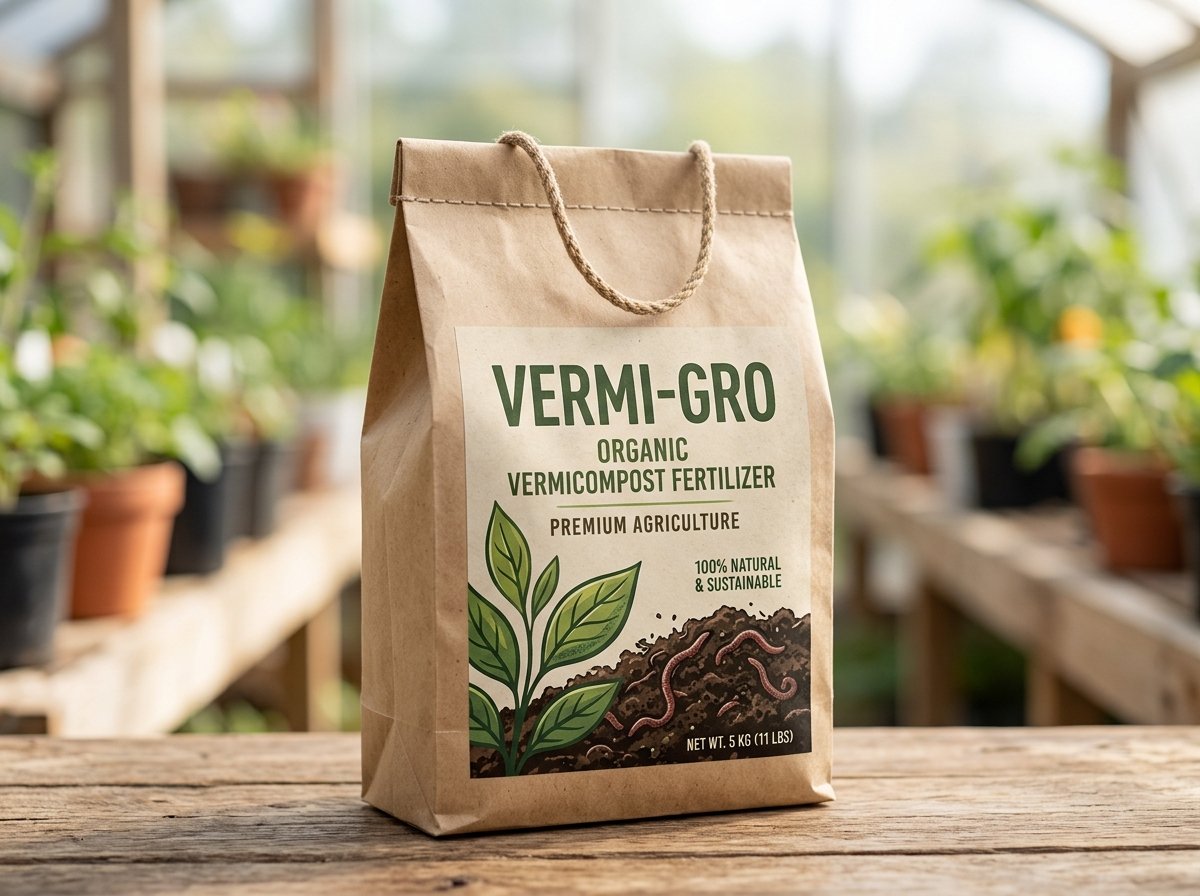
Healthy soil is the foundation of high-yielding, resilient agriculture. Over decades of intensive chemical farming, soil organic carbon levels in many agricultural regions have steadily declined. Restoring organic carbon is critical for long-term farm viability.
What Makes Vermicompost Superior?
Unlike raw cattle manure or uncomposted farm waste, vermicompost undergoes digestion inside earthworms. During this bio-conversion, organic matter is broken down into fine humic particles saturated with beneficial soil microbes, nitrogen-fixing bacteria, and growth enzymes.
Key Benefits of Soil Carbon Restoration
- Enhanced Water Retention: Soils enriched with vermicompost absorb and hold significantly more rainfall, reducing crop water stress during dry spells.
- Root Microclimate Improvement: Humus improves soil pore space, ensuring roots receive optimal oxygen and nutrients.
- Reduced Fertilizer Leaching: Organic humic compounds bind to nutrients, preventing them from washing away into groundwater.
"By returning earthworm-processed organic compost to our fields, we nourish the living biological web underground that supports crop growth naturally."
Conclusion
Incorporating organic vermicompost into field crop rotations and garden beds is a practical, sustainable step toward healthier soil and cleaner crop production.